
There has been a fundamental shift in how food is experienced.
Over the past decade, accelerated heavily by COVID, the industry has moved toward constant visibility. Restaurants, chefs, and even home cooks are now expected to produce a continuous stream of content. Dishes are designed to be filmed, kitchens are interrupted for recording, and experiences are increasingly shaped by how they will appear on a screen or what our friends will think.
This has consequences.
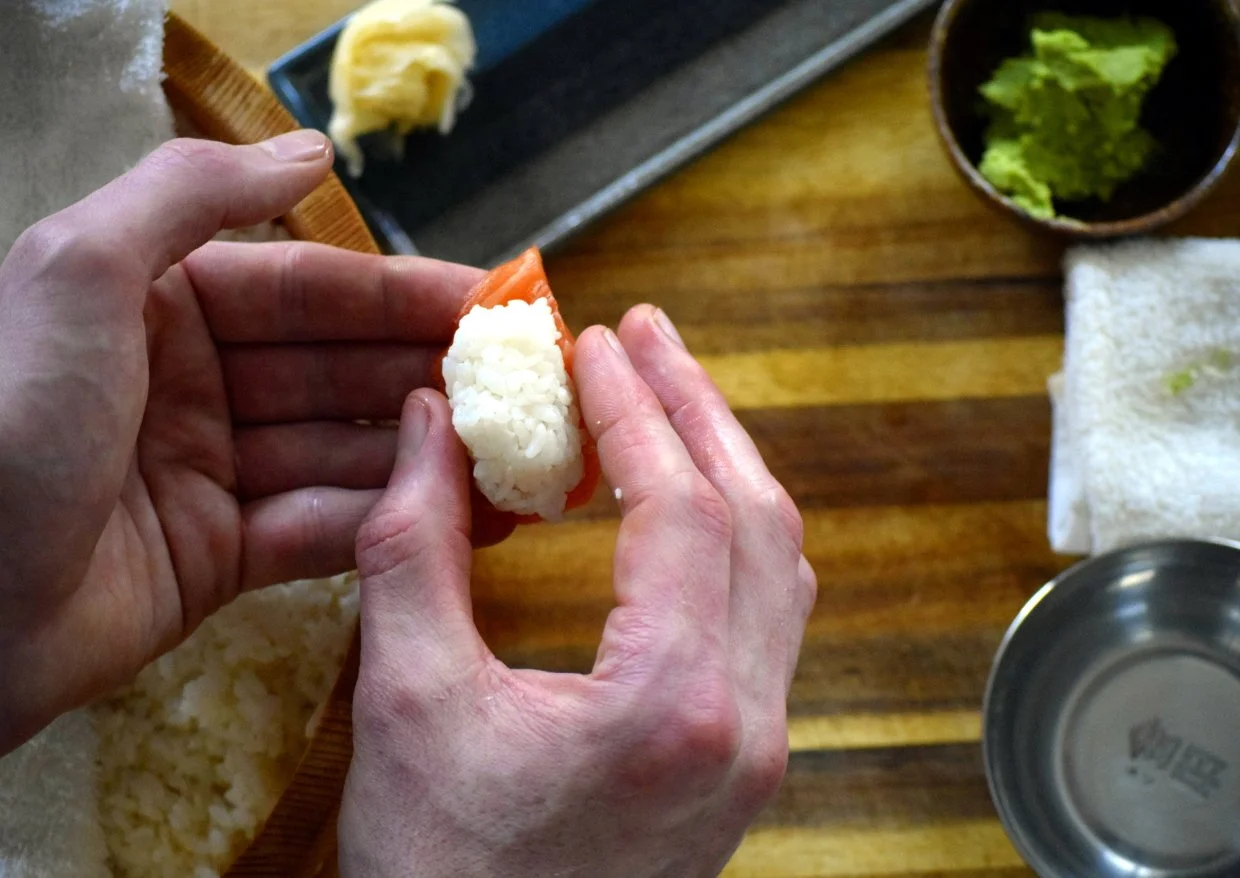
Shaping nigiri sushi takes years if not decades to perfect.
The Experience Cannot Be Captured
Food, particularly Japanese cuisine, is not static.
It exists in timing, temperature, texture, and interaction. A piece of sushi is not just an object, it is the result of pressure, temperature of the rice, the cut of the fish, and the moment it is served. Remove it from that context, and you are no longer experiencing the same thing.
In Japan, it is considered disrespectful to delay eating or photograph once food is served, as each element has been prepared to be experienced at a precise moment, and waiting diminishes the intention and effort behind it.
There is a Japanese concept often translated as ichigo ichie, a reminder that each moment is unique and cannot be repeated. This applies directly to food. The interaction between chef and guest, the environment, the pacing of the meal, these elements exist once, and only once.
A video does not capture that. It reduces it.
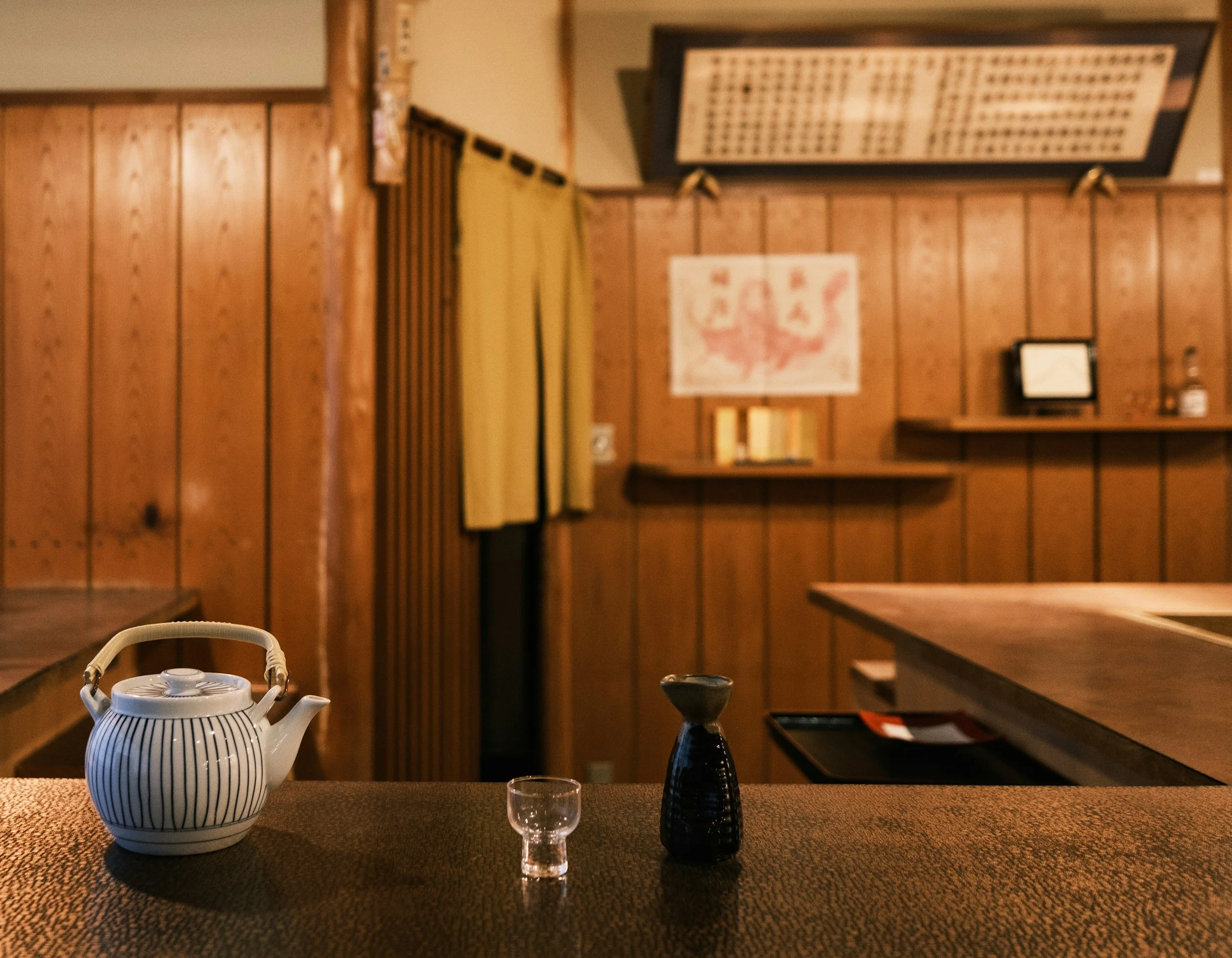
Japanese dining is rooted in respect, the chef times the dish to perfection in honor of his guest, and the guest returns the respect by eating immediately.
Presence and Memory
Human memory does not work the way social media suggests.
We do not remember moments because they were recorded. We remember them because they were felt.
Emotion, attention, and presence are what determine whether something stays with us. The best meals people recall are rarely the ones they documented the most. They are the ones where they were fully engaged, in the food, the conversation, and the moment.
Recording interrupts that process. It shifts attention away from the experience itself and toward the act of capturing it.
In doing so, it diminishes the very thing it is trying to preserve.
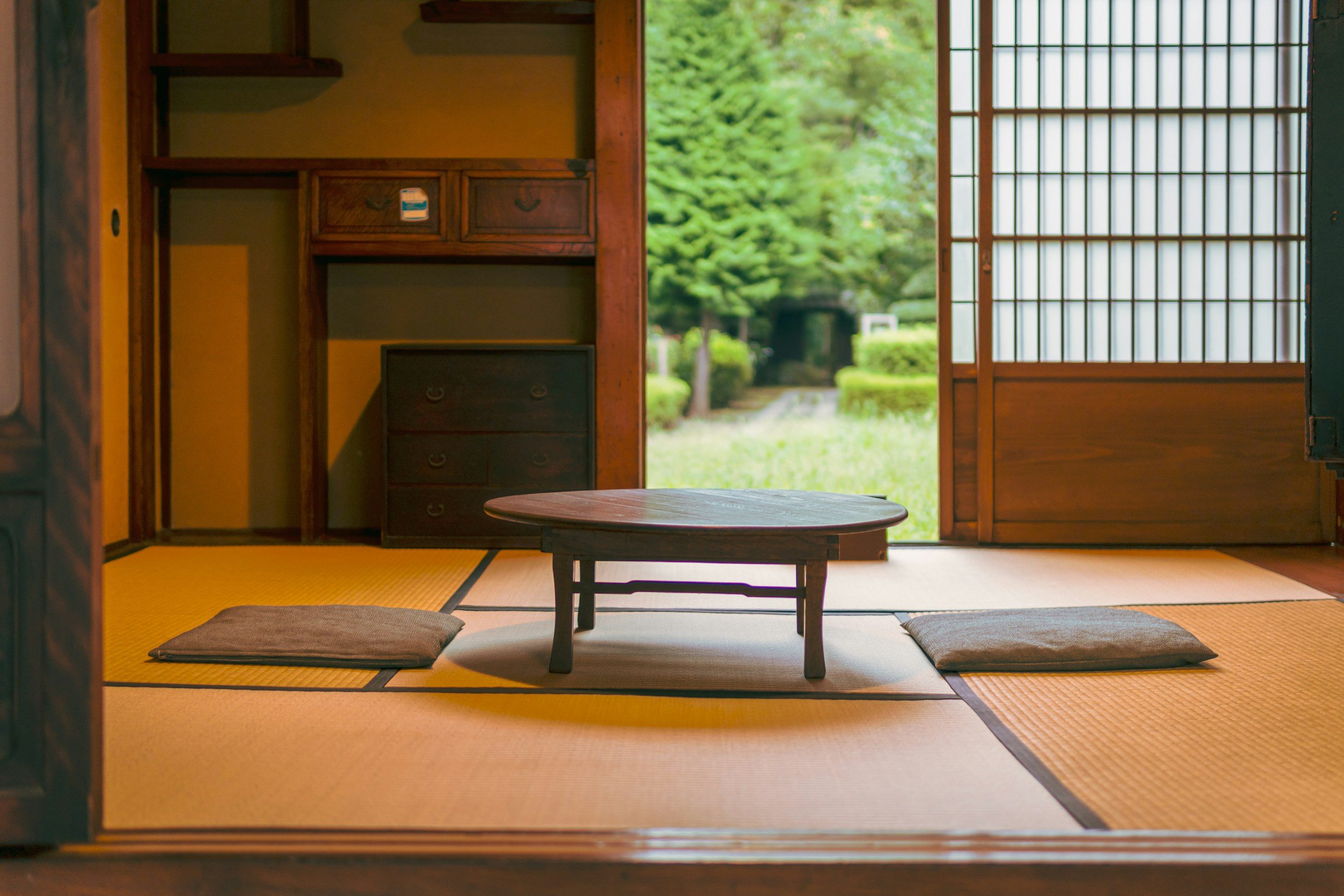
We remember moments we felt, not images on a screen.
The Cost of Constant Content
For chefs, the shift toward content creation has introduced a different kind of pressure.
Time that should be spent refining technique, improving knife work, understanding ingredients, developing consistency, is increasingly redirected toward filming, editing, and publishing.
These are not neutral activities. They replace time that would otherwise be spent developing skill.
At the same time, the industry has faced significant labor shortages, particularly following COVID. In many cases, standards have been lowered simply to maintain operations. Training periods are shortened, expectations reduced, and roles filled out of necessity rather than readiness.
The result is a gradual deskilling of the workforce.
When combined with the emphasis on visibility over substance, the risk is clear: an industry where presentation and exposure are prioritized over competence and depth.
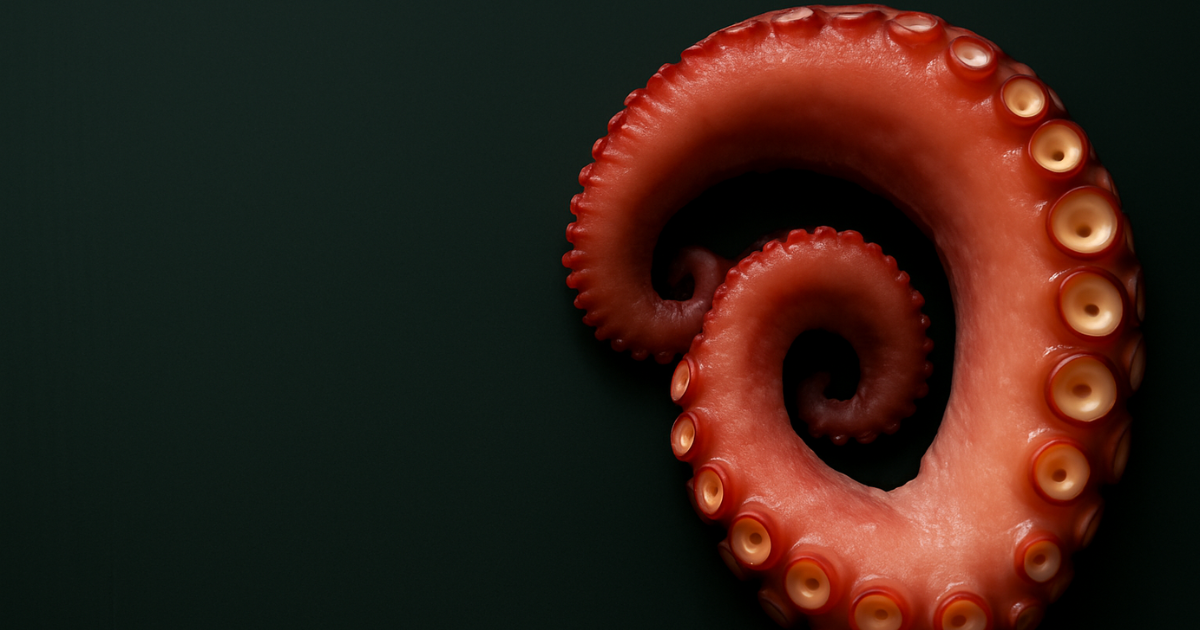
Learning the seasonality of ingredients, knife skills, and how to prepare items to perfection is worth more than any social media post.
Online Is a Tool, Not a Replacement
This is not an argument against online formats.
Online education, when structured properly, is extremely effective. It allows access to knowledge that would otherwise be limited by geography, and it can provide a clear, focused way to learn technique.
My own online classes are built around this idea, teaching the structure and fundamentals of sushi in a controlled, accessible format.
But there is a clear boundary.
Online learning can introduce and guide. It cannot replace the experience of working directly with ingredients, nor the interaction between chef and student, nor the subtle adjustments that happen in real time.
It is a tool, not a substitute.
The Role of Social Media
Social media has a place.
Used correctly, it functions as a reference point, a way for people to understand what you do and decide whether they are interested. In that sense, it is closer to a brochure or a business card than a representation of the work itself.
That is how I approach it.
It is there to provide an outline, not to replicate the experience. It should inform, not replace.
A Different Approach
In many traditional Japanese restaurants, photography is discouraged or not permitted. This is not about control. It is about preserving the nature of the experience.
When a guest is fully present, the interaction changes. The focus is sharper, the communication clearer, and the experience more complete.
This approach informs my own work.
Guests are welcome to take occasional photographs, but video recording is not permitted. The intention is simple: to keep the focus on the experience itself, the food, the process, and the interaction, rather than on documenting it.
What Matters
The value of food does not lie in how well it can be captured.
It lies in how it is prepared, how it is served, and how it is experienced.
Technique takes time. Understanding takes repetition. And meaningful experiences require attention.
These are not things that can be accelerated through content.
They are built through practice, presence, and direct engagement.
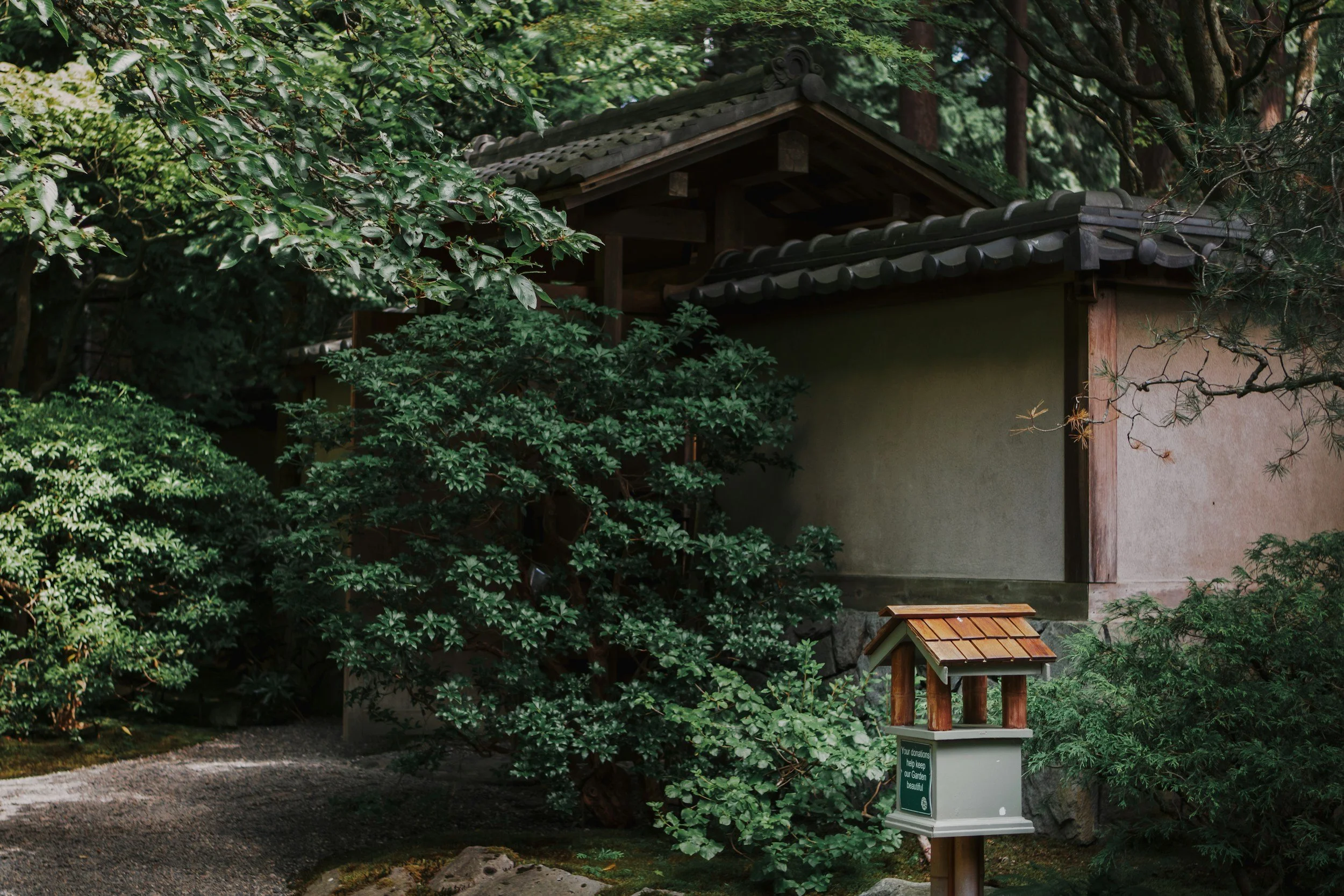
Appreciation of the moments that can never be experienced again is what makes them memorable. Life is impermanent.
Closing Thoughts
The industry will continue to evolve, and digital tools will remain part of it.
But the fundamentals do not change.
Food is not content.
It is an experience, one that exists fully only when it is lived, not recorded.
And the world will be better for it.